Cr1616 Battery: Specifications & Equivalents
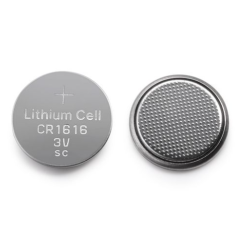
What is a CR1616 Battery?
A CR1616 battery is a 3-volt lithium coin cell that measures 16 mm in diameter and 1.6 mm in height. It belongs to the CR series, commonly used in small electronics needing steady, low-current power. The “CR” in CR1616 stands for “Lithium Manganese Dioxide,” a stable, long-lasting chemistry that supports extended shelf life and consistent output. Devices like wristwatches, car remotes, and compact digital devices frequently use this type of battery due to its small size and durability.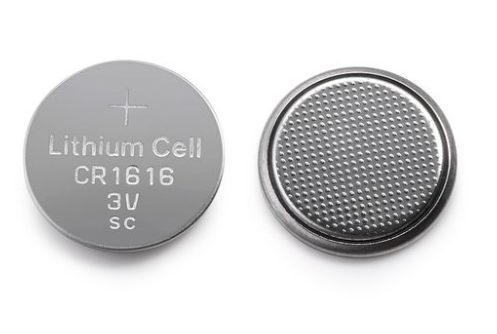
What is the Difference Between Lithium-Ion and Lithium Coin Batteries?
Lithium-ion and lithium coin batteries both rely on lithium chemistry, yet they serve different purposes and are built for different applications.1. Chemistry and Structure
Lithium-ion batteries are rechargeable and use a liquid electrolyte, which allows ions to move freely between electrodes. This design is ideal for devices with high power demands that are charged frequently, such as smartphones and laptops. In contrast, lithium coin batteries (like the CR1616) are typically non-rechargeable, using a solid electrolyte that keeps them compact and suited for smaller devices with low, steady power needs.
2. Shape and Size
Lithium-ion batteries are usually larger and can vary in shape to fit specific devices, commonly appearing as flat or cylindrical packs. Lithium coin batteries, however, are small, round, and flat, which makes them easy to integrate into slim gadgets like watches, car remotes, and medical devices.
3. Voltage and Capacity
Standard lithium-ion batteries have a nominal voltage of 3.7V, while lithium coin batteries typically operate at 3V. Lithium-ion batteries also offer a much higher capacity, making them more suitable for high-drain devices. Lithium coin batteries, with their lower capacity, are ideal for applications that don’t draw significant power and need longer-lasting, low-energy output.
4. Use Cases
Lithium-ion batteries power devices with substantial energy needs and are often rechargeable to support long-term, frequent usage. In contrast, lithium coin batteries power smaller, low-energy devices that require a consistent voltage over long periods without recharging, such as key fobs, watches, and memory backups.
Specifications of the CR1616 Battery
- Size and Shape: The CR1616 battery has a diameter of 16 mm and a height of 1.6 mm. The “1616” in its name represents these measurements, with “16” referring to the diameter and “16” to the height in tenths of a millimeter. This compact, flat coin shape allows it to fit easily into slim, portable devices.
- Voltage: Operating at 3 volts, the CR1616 provides a stable power source for sensitive electronics. Its 3V output is standard for many lithium coin cells, ensuring reliable operation across compatible devices.
- Capacity: The typical capacity of a CR1616 battery ranges from 55 to 60 milliampere-hours (mAh), though this may vary slightly by manufacturer. This capacity is sufficient for low-drain applications, like watches, small calculators, and car keys for extended periods without needing frequent replacement.
- Chemistry: The CR1616 uses lithium manganese dioxide chemistry, which is known for its high energy density, long shelf life, and stable performance.
- Self-Discharge Rate: One of the key advantages of lithium manganese dioxide batteries is their low self-discharge rate. The CR1616 battery has an estimated self-discharge rate of about 1% per year when stored in ideal conditions, enabling it to retain most of its charge even after years of storage.
- Operating Temperature Range: The CR1616 is designed to work between -20°C and +60°C. But it is needed to noted that extreme temperatures can reduce its lifespan.
- Weight: Weighing approximately 1.2 grams, the CR1616 is light and portable, adding negligible weight to devices.
What is the Life Expectancy of a CR1616 Battery?
A CR1616 battery can last anywhere from 3 to 5 years in most applications. Its lifespan depends on the device it powers and the frequency of use. In low-drain devices like wristwatches, the battery can last even longer.For devices with intermittent use, such as car key fobs, the CR1616 maintains its charge effectively due to its low self-discharge rate. However, using it in devices that exceed its intended power draw can shorten its life considerably. Environmental factors like high temperatures can also affect battery longevity, as extreme heat accelerates discharge rates.
CR1616 Battery Equivalent
When you can’t find a CR1616 battery, several equivalent models can serve as substitutes, provided they meet the device’s requirements. Below are the most common CR1616 equivalents:- DL1616: This is Duracell’s equivalent to the CR1616 and shares the same size, voltage, and chemistry. It’s fully compatible with devices that use CR1616 batteries.
- ECR1616: Energizer’s version of the CR1616, the ECR1616, also matches the specifications of the original CR1616, providing the same voltage and capacity.
- BR1616: Made by brands like Panasonic, the BR1616 battery is similar in size and voltage to the CR1616, though it may have slightly different chemistry. The “BR” series uses lithium polycarbon monofluoride, a variation on lithium chemistry with a slightly lower discharge rate.
What is a 1616 Battery Used For?
The CR1616 battery is used in devices that require a small, reliable power source over long periods. Common applications include:Wristwatches: The CR1616 is popular in wristwatches, providing the steady, low-power output necessary to keep precise time. Because it has a long lifespan and can retain charge over time, it’s ideal for watches that don’t require frequent battery replacements.
Calculators: For small calculators with basic functions, the CR1616 offers sufficient power to operate for long durations without recharging or replacing the battery.
Car Key Fobs: Car remotes and key fobs often rely on CR1616 batteries due to their small size and stable output. These devices require minimal energy to transmit signals to the car, and the CR1616 can last several years in these applications.
Digital Thermometers: Some digital thermometers use CR1616 batteries to display temperature readings accurately and consistently over extended periods.
Laser Pointers and Mini Flashlights: Although not the primary choice for high-power devices, small laser pointers and mini flashlights may use CR1616 batteries due to their compact design and steady energy output.
Can a CR1616 Replace a CR2032?
While the CR1616 and CR2032 are both lithium coin cells, they differ significantly in size and capacity, which generally makes them incompatible as direct replacements.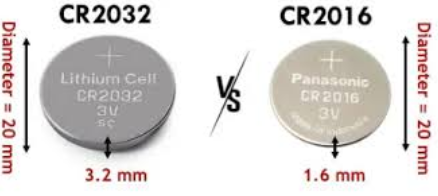
Physical Size
The CR2032 has a diameter of 20 mm and a thickness of 3.2 mm, while 1616 battery has a 16 mm diameter and a 1.6 mm thickness. Due to its larger dimensions, a CR2032 typically cannot fit into compartments designed for the CR1616, and vice versa.
Capacity Difference
The CR2032 offers a higher capacity, around 220 mAh, compared to the CR1616’s 55-60 mAh. So the CR2032 is able to power devices for long periods of time.
Voltage Compatibility
Both batteries operate at 3 volts, so they theoretically provide the same energy output. However, using a battery with higher capacity, like the CR2032, might not be optimal in devices specifically designed for the CR1616. The difference in thickness can prevent proper contact, potentially leading to poor performance or device malfunctions.
In summary, while the CR1616 and CR2032 share the same voltage, their size and capacity differences usually prevent them from being interchangeable. It’s best to use the specific battery recommended for your device to ensure it performs optimally without risking damage.
Are CR1616 and CR2016 the Same?
While they may seem similar, the CR1616 and CR2016 differ in thickness and, consequently, capacity. Both batteries share a 16 mm diameter, but the CR2016 is 2.0 mm thick, whereas the CR1616 is 1.6 mm thick. The CR2016 typically holds more charge due to its additional thickness.In some devices, you might interchange these two if the battery compartment allows flexibility. However, it’s best to use the battery recommended for your device to prevent contact or fitting issues.
Where to Buy CR1616 Battery?
CR1616 batteries are available at most electronics and convenience stores, as well as online retailers. Many large brands, including Duracell, Energizer, Panasonic, and Sony, manufacture these batteries. For convenient purchasing:- Retail Stores: Most large pharmacies, supermarkets, and electronic stores carry CR1616 batteries.
- Online Marketplaces: Websites like Amazon, eBay, and specialized battery retailers offer a range of options.
- Electronic Parts Stores: Stores dedicated to electronics often stock multiple brands and equivalents for CR1616.
- Jinftry: Jinftry was established in 2013, headquartered in Hong Kong, China, with a branch in Shenzhen, China. It is a global supplier of electronic components and a well-known and competitive electronic product distributor in Asia. Is also an excellent strategic partner of global ODM/OEM/EMS, able to quickly find authentic and traceable electronic components for customers to purchase.
FAQs
1. How long does a CR1616 battery last in a watch?Typically, a CR1616 battery lasts between 3 to 5 years in watches, depending on the watch’s power consumption and usage.
2. Is the CR1616 battery rechargeable?
No, the CR1616 is a non-rechargeable lithium coin cell battery.
3. Can I use a CR2016 in place of a CR1616?
Only if your device’s battery compartment allows flexibility, though it’s generally best to use the exact battery specified.
4. What’s the best temperature to store CR1616 batteries?
For optimal performance, store CR1616 batteries between 10°C and 25°C in a dry place.
5. Are CR1616 and DL1616 the same?
Yes, they are essentially the same. DL1616 is Duracell’s version of the CR1616 battery.
Statement: All articles (images, texts, audio) on this site are uploaded and shared by users, or integrated from relevant internet sources, only for user's learning. If your rights are violated, please contact the administrator to delete! Link to this article: https://www.jinftry.com