What is IGBT Module? What does it do?
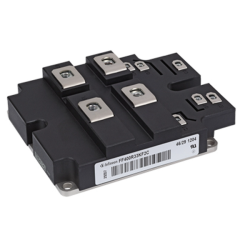
What Does IGBT Mean on an Inverter?
IGBT stands for Insulated Gate Bipolar Transistor. In the context of inverters, it refers to a semiconductor device that combines the advantages of both bipolar junction transistors (BJT) and metal-oxide-semiconductor field-effect transistors (MOSFET). This combination offers high input impedance and low on-state power loss. Understanding the significance of IGBTs in inverters requires a deeper dive into their structure and operation.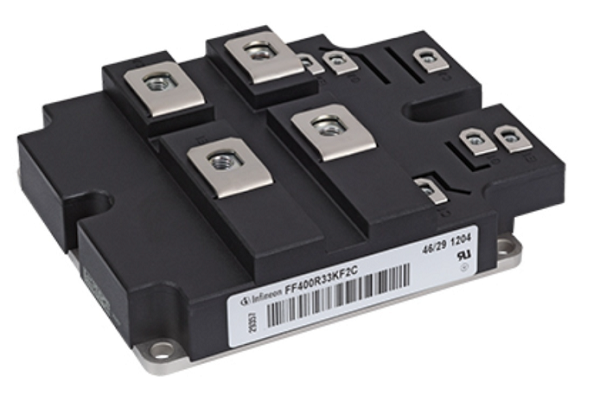
An IGBT essentially acts as an electronic switch. When the gate terminal is activated by a voltage, it allows current to flow between the collector and emitter terminals. This capability to turn on and off rapidly is what makes IGBTs so valuable in power electronics, including inverters. In an inverter, the IGBT switches the current direction rapidly, converting DC from a power source into AC used by most household appliances and industrial machinery.
What Does an IGBT Module Do?
An IGBT module serves as a critical component in power conversion systems. Its primary function is to switch electrical power on and off rapidly, allowing precise control over the flow of electricity. This switching capability is crucial in inverters, where the goal is to convert DC into AC efficiently.Here are some specific roles that an IGBT module plays in an inverter:
1. Energy Conversion: By switching on and off rapidly, the IGBT module helps in converting DC from sources like batteries or solar panels into AC. This conversion is necessary for powering AC devices and feeding electricity into the power grid.
2. Efficiency Management: IGBT modules are designed to minimize energy loss during the switching process. They achieve this by combining the high input impedance of MOSFETs with the low on-state power loss of BJTs, ensuring that more energy is converted and less is wasted as heat.
3. Thermal Management: IGBT modules are built to handle high power and high temperatures. They are often equipped with advanced cooling systems to dissipate heat effectively, ensuring stable operation even under heavy load conditions.
4. Voltage and Current Regulation: Inverters need to maintain a stable output voltage and current despite variations in the input power or load. IGBT modules facilitate this by adjusting the switching frequency and duty cycle, providing precise control over the output.
5. Protection Functions: Modern IGBT modules come with built-in protection features like overcurrent protection, short-circuit protection, and thermal shutdown. These features enhance the reliability and safety of the inverter system.
What Happens When an IGBT Fails?
IGBT failures can lead to significant operational disruptions and damage to the overall system. Understanding the common failure modes and their consequences can help in preventing and mitigating such issues.1. Overcurrent Failure: IGBTs can fail due to excessive current passing through them. This can happen if there is a short circuit in the load or a malfunction in the control circuit. Overcurrent can cause the IGBT to overheat and eventually break down.
2. Thermal Overload: Although IGBTs are designed to handle high temperatures, they can still fail if the thermal management system is inadequate. Prolonged operation at high temperatures can degrade the semiconductor material, leading to a failure.
3. Gate Oxide Breakdown: The gate terminal of an IGBT is insulated by a thin layer of oxide. If this oxide layer breaks down, it can cause the gate to short circuit, rendering the IGBT inoperative. This type of failure is often caused by voltage spikes or excessive gate drive voltage.
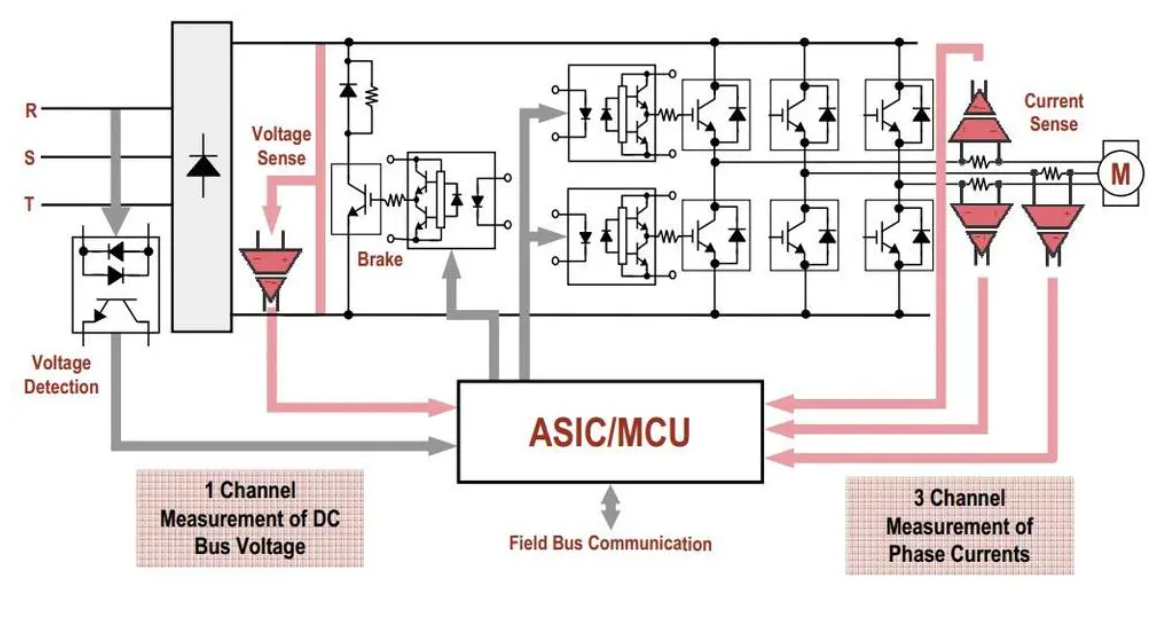
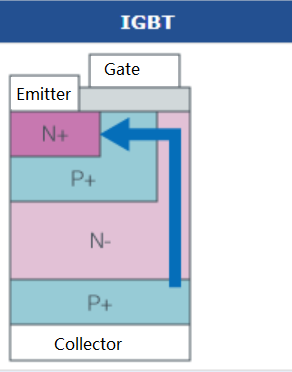
4. Latch-up: Latch-up is a condition where the IGBT enters a low-impedance state, causing a large current to flow through it uncontrollably. This can happen due to incorrect gate drive signals or transients in the power supply. Here you can see a IGBT schematic diagram as below:
When an IGBT fails, it can cause the entire inverter to stop functioning. This results in downtime and potential damage to other components in the system. For instance, in a solar power system, a failed IGBT can halt the conversion of solar energy into usable AC power, leading to a loss of energy production. Regular monitoring, maintenance, and the use of high-quality IGBT modules can help in minimizing the risk of failure.
Why Is IGBT Very Popular Nowadays?
The popularity of IGBTs has surged in recent years due to several key factors that make them ideal for modern power electronics applications. Let's explore these factors in detail:Efficiency
IGBTs offer high efficiency by minimizing power loss during the switching process. This efficiency is crucial in applications like electric vehicles and renewable energy systems, where energy conservation is a priority.
Reliability
IGBTs are known for their robust performance under high voltage and current conditions. They can handle substantial power loads without compromising on performance, making them suitable for industrial and commercial applications.
Compactness
Modern IGBT modules are designed to be compact, allowing for space-saving designs in electronic devices. This compactness is particularly beneficial in applications where space is at a premium, such as in electric vehicles and portable power tools.
Cost-Effectiveness
While IGBTs are more expensive than some other semiconductor devices, their high efficiency and reliability make them cost-effective in the long run. The reduced energy loss and extended lifespan of IGBT-based systems translate into lower operational costs.
Advancements in Technology
Continuous advancements in semiconductor technology have improved the performance and reliability of IGBTs. Innovations in manufacturing processes and materials have led to the development of IGBTs with better thermal management, higher switching speeds, and enhanced durability.
When Should I Use IGBT?
IGBTs are ideal in scenarios requiring efficient energy conversion and control. Here are some specific situations where the use of IGBTs is highly beneficial:1. High-Power Applications: IGBTs are suitable for high-power applications such as electric vehicles, industrial motors, and power grids. Their ability to handle high voltages and currents with minimal power loss makes them ideal for these demanding applications.
2. Renewable Energy Systems: IGBTs are commonly used in solar inverters and wind turbines. In these systems, they efficiently convert DC generated by solar panels or wind turbines into AC for use in homes and businesses or feeding into the power grid.
3. HVAC Systems: Heating, ventilation, and air conditioning (HVAC) systems benefit from the precise control offered by IGBTs. They enable efficient temperature regulation by adjusting the speed of compressors and fans based on the cooling or heating demand.
4. Power Grids: IGBTs are used in power grid applications to manage the distribution of electrical energy. They help in controlling the flow of electricity, ensuring stable and reliable power supply even during peak demand periods.

5. Industrial Automation: In industrial automation, IGBTs are used in variable frequency drives (VFDs) to control the speed and torque of electric motors. This precise control improves the efficiency and performance of industrial machinery.
Is IGBT Controlled by Current or Voltage?
Understanding the control mechanism of IGBTs is crucial for their effective application in various systems. IGBTs are primarily voltage-controlled devices. Here’s a detailed explanation:
The gate of an IGBT is controlled by a voltage signal. When a voltage is applied to the gate terminal relative to the emitter, it creates an electric field that modulates the conductivity of the device. This control mechanism is similar to that of a MOSFET, where the gate voltage determines the current flow between the collector and emitter.
Gate Drive Requirements
To turn on an IGBT, a positive voltage (typically between 10V and 20V) is applied to the gate relative to the emitter. This voltage creates a conductive channel that allows current to flow from the collector to the emitter. Conversely, to turn off the IGBT, the gate voltage is reduced to zero or a negative value, disrupting the conductive channel and stopping the current flow.
Current Handling
While the gate is controlled by voltage, the IGBT itself is responsible for handling significant amounts of current. The current flowing through the collector and emitter can be quite large, depending on the application. The gate drive circuit must be capable of providing enough current to charge and discharge the gate capacitance quickly, enabling rapid switching.
Gate Drive Circuit
The design of the gate drive circuit is crucial for the proper operation of an IGBT. The gate drive must provide sufficient voltage to turn the IGBT on and off efficiently. Additionally, it must handle the charging and discharging of the gate capacitance, which affects the switching speed and efficiency of the IGBT.
Comparison with Current-Controlled Devices
Unlike BJTs, which are current-controlled devices (where the base current controls the collector current), IGBTs require a minimal amount of current at the gate to control large currents through the collector and emitter. This characteristic makes IGBTs more efficient in terms of power consumption for control purposes.
Switching Characteristics
The voltage control of IGBTs allows for fast switching speeds, which is essential in applications like inverters and motor drives. The ability to switch on and off rapidly enables precise control over electrical energy, reducing losses and improving overall system efficiency.
In summary, IGBTs are voltage-controlled devices. The application of a voltage to the gate terminal controls the current flow between the collector and emitter. Whether for industrial motors, renewable energy systems, or power grids, IGBTs provide an excellent solution for efficient energy conversion and control.
Statement
All articles (images, texts, audio) on this site are uploaded and shared by users, or integrated from relevant internet sources, only for user's learning. If your rights are violated, please contact the administrator to delete! Link to this article: https://www.jinftry.com