What is EPM1270T144C4N,EPM1270T144C4N Datasheet

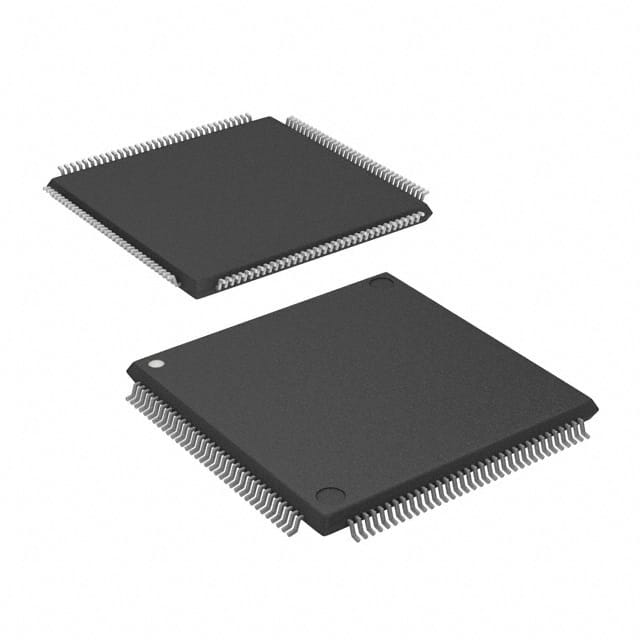
What is EPM1270T144C4N
Intel Part Number EPM1270T144C4N(Embedded - CPLDs (Complex Programmable Logic Devices)), developed and manufactured by Intel, distributed globally by Jinftry. We distribute various electronic components from world-renowned brands and provide one-stop services, making us a trusted global electronic component distributor.
EPM1270T144C4N is one of the part numbers distributed by Jinftry, and you can learn about its specifications/configurations, package/case, Datasheet, and other information here. Electronic components are affected by supply and demand, and prices fluctuate frequently. If you have a demand, please do not hesitate to send us an RFQ or email us immediately sales@jinftry.com Please inquire about the real-time unit price, Data Code, Lead time, payment terms, and any other information you would like to know. We will do our best to provide you with a quotation and reply as soon as possible.
EPM1270T144C4N Specifications
- Part NumberEPM1270T144C4N
- CategoryEmbedded - CPLDs (Complex Programmable Logic Devices)
- ManufacturerIntel
- DescriptionIC CPLD 980MC 6.2NS 144TQFP
- Package144-LQFP
- SeriesMAX® II
- Operating Temperature0°C ~ 85°C (TJ)
- Mounting TypeSurface Mount
- Package / Case144-LQFP
- Supplier Device Package144-TQFP (20x20)
- Programmable TypeIn System Programmable
- Delay Time tpd(1) Max6.2ns
- Voltage Supply - Internal2.5V, 3.3V
- Number of Logic Elements/Blocks1270
- Number of Macrocells980
- Number of I/O116
- Package_case144-LQFP
Application of EPM1270T144C4N
EPM1270T144C4N Datasheet
EPM1270T144C4N Datasheet , 144-LQFP,MAX® II,0°C ~ 85°C (TJ),Surface Mount,144-LQFP,144-TQFP (20x20),In System Programmable,6.2ns,2.5V, 3.3V,1270,980,116
EPM1270T144C4N Classification
Embedded - CPLDs (Complex Programmable Logic Devices)
FAQ about Embedded - CPLDs (Complex Programmable Logic Devices)
-
1. Do CPLDs have high power consumption?
Compared to FPGAs, CPLDs typically have lower power consumption and are suitable for battery-powered or applications that require low power consumption. However, the exact power consumption still depends on the CPLD model used and the logic complexity in the application.
-
2. How does a CPLD work?
CPLDs implement specific functions by combining logic gates together. The user writes the code in HDL according to the design requirements, maps the logic functions to the CPLD hardware, and the device is configured with circuits and logic to accomplish specific tasks.
-
3. Can a CPLD be used as a replacement ASIC?
CPLDs can be used as an alternative to ASICs (Application Specific Integrated Circuits) in certain low-complexity applications, especially in shorter development cycles and more cost-sensitive projects. Although CPLDs are not as efficient as ASICs, they offer flexible programmability.