What is EPM570T144I5N,EPM570T144I5N Datasheet

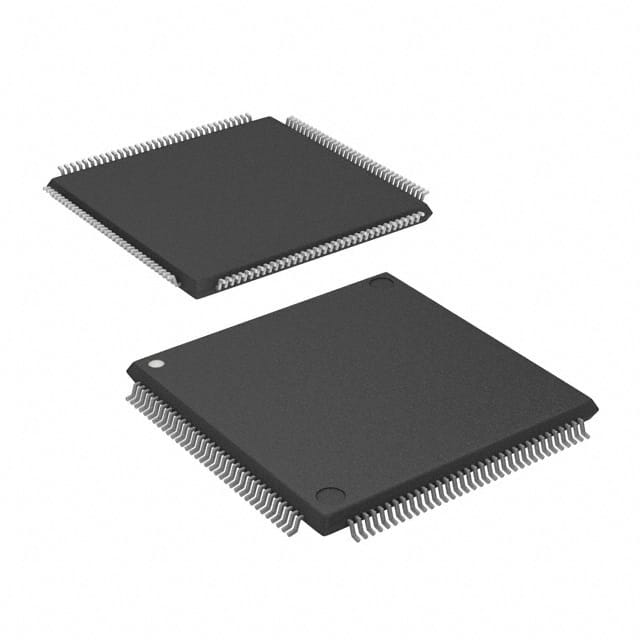
What is EPM570T144I5N
Intel Part Number EPM570T144I5N(Embedded - CPLDs (Complex Programmable Logic Devices)), developed and manufactured by Intel, distributed globally by Jinftry. We distribute various electronic components from world-renowned brands and provide one-stop services, making us a trusted global electronic component distributor.
EPM570T144I5N is one of the part numbers distributed by Jinftry, and you can learn about its specifications/configurations, package/case, Datasheet, and other information here. Electronic components are affected by supply and demand, and prices fluctuate frequently. If you have a demand, please do not hesitate to send us an RFQ or email us immediately sales@jinftry.com Please inquire about the real-time unit price, Data Code, Lead time, payment terms, and any other information you would like to know. We will do our best to provide you with a quotation and reply as soon as possible.
EPM570T144I5N Specifications
- Part NumberEPM570T144I5N
- CategoryEmbedded - CPLDs (Complex Programmable Logic Devices)
- ManufacturerIntel
- DescriptionIC CPLD 440MC 5.4NS 144TQFP
- Package144-LQFP
- SeriesMAX® II
- Operating Temperature-40°C ~ 100°C (TJ)
- Mounting TypeSurface Mount
- Package / Case144-LQFP
- Supplier Device Package144-TQFP (20x20)
- Programmable TypeIn System Programmable
- Delay Time tpd(1) Max5.4ns
- Voltage Supply - Internal2.5V, 3.3V
- Number of Logic Elements/Blocks570
- Number of Macrocells440
- Number of I/O116
- Package_case144-LQFP
Application of EPM570T144I5N
EPM570T144I5N Datasheet
EPM570T144I5N Datasheet , 144-LQFP,MAX® II,-40°C ~ 100°C (TJ),Surface Mount,144-LQFP,144-TQFP (20x20),In System Programmable,5.4ns,2.5V, 3.3V,570,440,116
EPM570T144I5N Classification
Embedded - CPLDs (Complex Programmable Logic Devices)
FAQ about Embedded - CPLDs (Complex Programmable Logic Devices)
-
1. How to choose the right CPLD?
Factors such as the number of logic cells (number of logic gates), number of I/O pins, power consumption, operating frequency, and package type need to be considered when selecting a CPLD to ensure that the performance needs of the application are met.
-
2. Can a CPLD be used as a replacement ASIC?
CPLDs can be used as an alternative to ASICs (Application Specific Integrated Circuits) in certain low-complexity applications, especially in shorter development cycles and more cost-sensitive projects. Although CPLDs are not as efficient as ASICs, they offer flexible programmability.
-
3. How does a CPLD's memory work?
CPLDs typically use non-volatile memory (such as Flash or EEPROM) to store configuration data, so the device maintains the programmed logic even after a power failure. This allows the CPLD to quickly boot up and return to a previously configured state.